Wondering what kind of home you can actually find in Middletown, NJ? That is a smart question, because Middletown is not a one-size-fits-all market. If you are trying to balance space, commute, upkeep, and lifestyle, this guide will help you understand how Middletown’s housing options really work so you can narrow your search with more confidence. Let’s dive in.
Why Middletown Offers So Many Choices
Middletown Township has a broad mix of housing types, and that is one reason it appeals to so many buyers at different stages. The township’s zoning includes rural estate and rural residential areas, single-family districts, townhouse and apartment districts, planned adult communities, and redevelopment areas.
At the same time, the local housing stock is still centered on detached homes. In the township’s 2020 housing inventory, 78.2% of housing units were 1-unit detached homes, which makes single-family living the foundation of the market.
Single-Family Homes Lead the Market
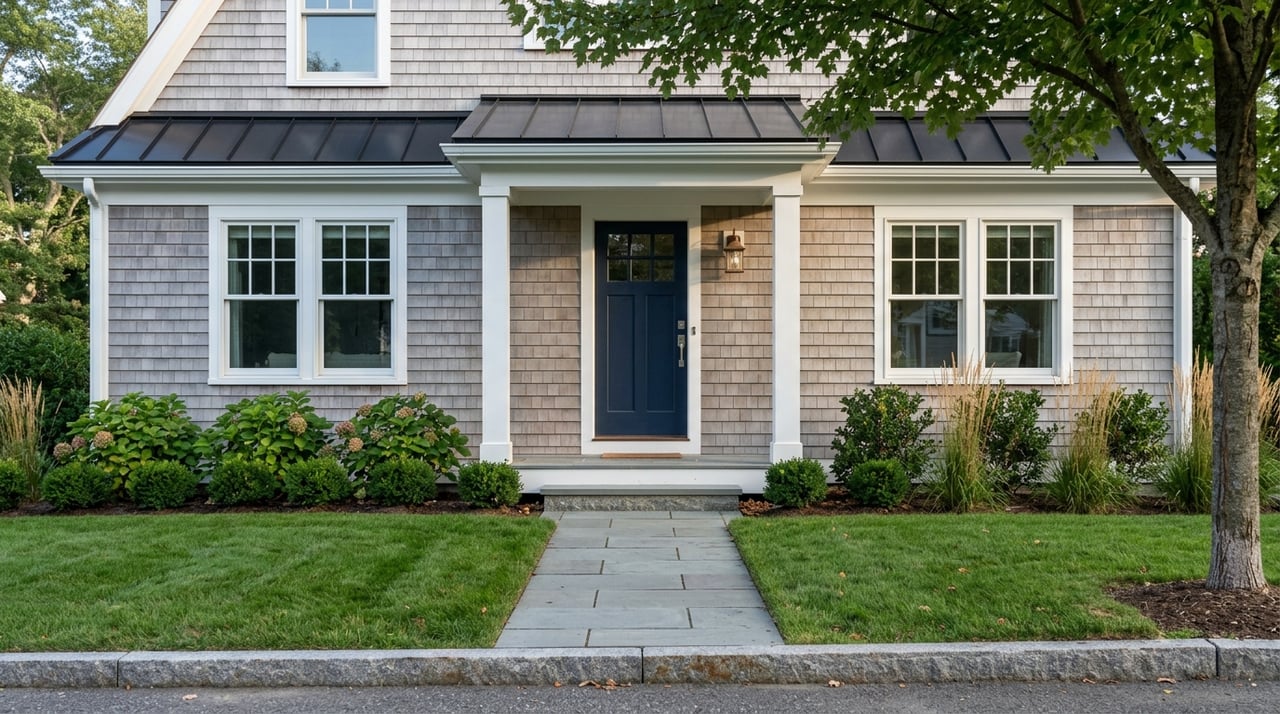
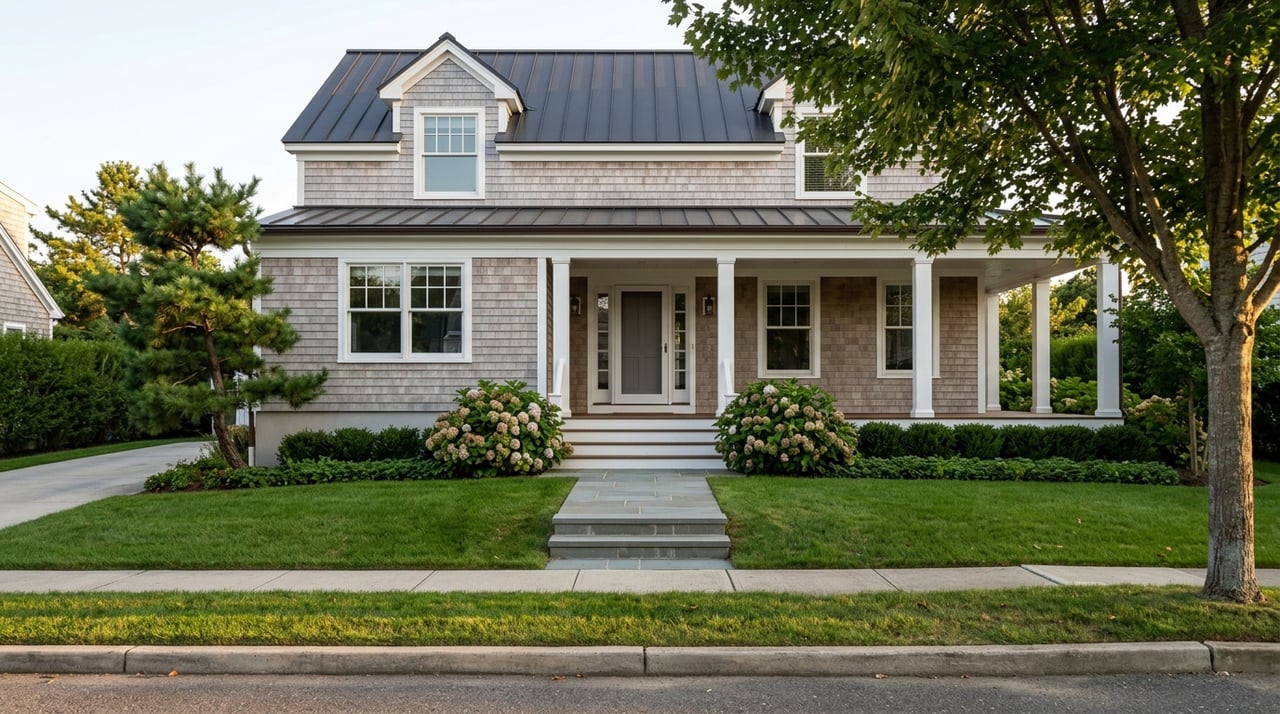
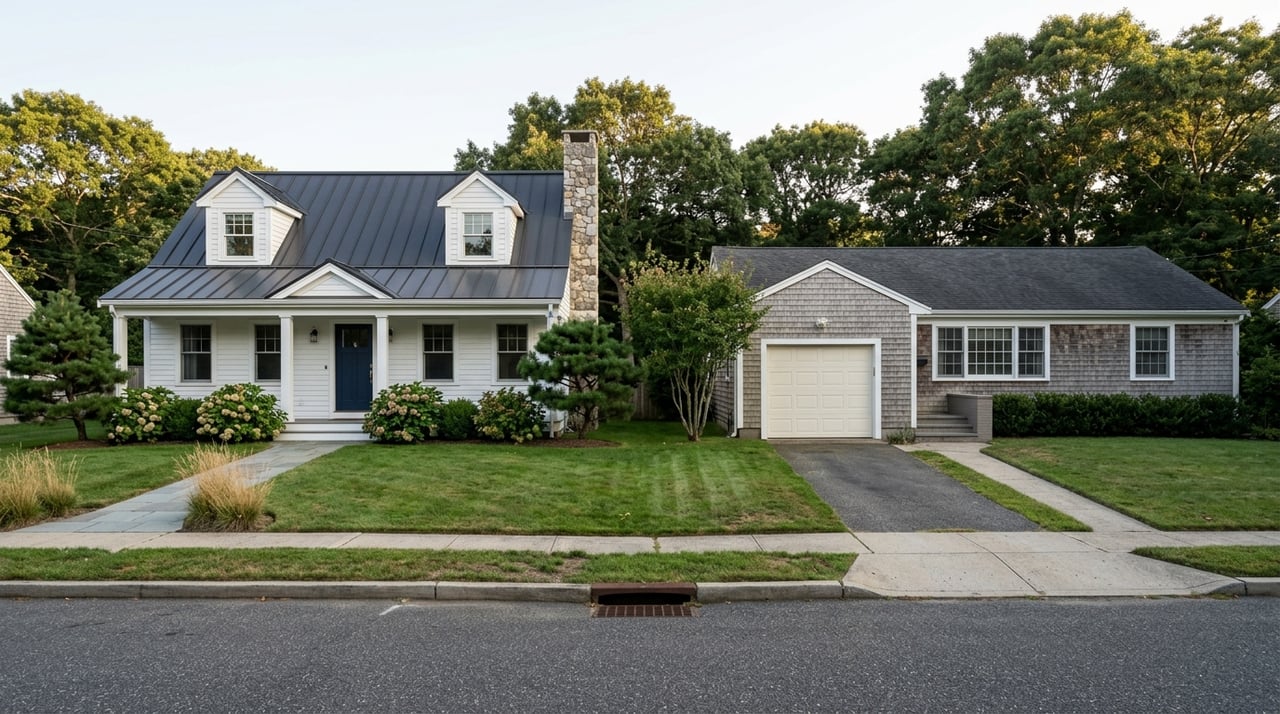
If you picture Middletown as a place with established suburban neighborhoods, you are on the right track. Detached homes are by far the most common housing type, and much of the housing stock was built between 1950 and 1979.
That matters for your search because many homes may offer larger lots, mature landscaping, and established street patterns rather than brand-new subdivision layouts. It also means you may want to look closely at condition, updates, and long-term maintenance if you are considering an older home.
What To Expect From Established Housing
Many buyers are drawn to established homes because they often provide more yard space and a settled neighborhood feel. In Middletown, that type of housing remains the default product across much of the township.
If you are comparing options, think about which updates matter most to you. A home with older systems or finishes may still offer the layout, lot size, or location that fits your goals better than newer but smaller alternatives.
Townhomes, Apartments, and Smaller-Footprint Living
Middletown is not only about detached homes. The zoning map includes townhouse districts, garden apartment and mid-rise apartment districts, and a two-family district, which reflects a wider mix of living options across the township.
The township’s housing planning materials also reference accessory apartments, supportive housing, and multifamily development. For you as a buyer, that means Middletown can offer more compact or lower-maintenance choices alongside traditional suburban homes.
Who Might Prefer Attached Housing
Attached or multifamily-style housing can make sense if you want less exterior upkeep, a smaller footprint, or a more simplified day-to-day routine. It can also be useful if you want to stay in Middletown while prioritizing convenience over lot size.
Several redevelopment areas are also planned or expected to include mixed-use or multifamily housing, including Port Belford, North Middletown, and corridor sites along Route 36 and Route 35. That adds another layer to Middletown’s housing picture, especially for buyers watching for newer or more flexible inventory.
Larger Lots and Lower-Density Settings
Another important part of Middletown is its lower-density side. The township’s zoning map includes rural estate zones and a rural residential zone, which helps explain why some parts of town feel more open and less tightly packed.
The township’s open-space planning also highlights preserved and potentially preserved land, including wooded areas, wetlands, steep slopes, and land with agricultural or passive recreation potential. For you, that can translate into housing choices with more privacy, larger yards, and a less dense setting without leaving Middletown altogether.
When More Space Matters
If you want room for outdoor living, more distance between homes, or a quieter street pattern, these parts of Middletown may stand out. This type of setting can be especially appealing if your priorities center on privacy or lot size.
It is also worth remembering that larger-lot living often comes with more maintenance. A bigger property may give you more breathing room, but it can also mean more landscaping, upkeep, and dependence on car travel.
Planned Adult Communities and Right-Sized Options
Middletown’s zoning also includes planned adult and active adult districts. That is useful to know if you are looking for a home that better fits your current season of life and want options beyond a traditional large detached house.
For some buyers, right-sizing is less about square footage alone and more about ease of living. A more manageable home, a different layout, or a community designed around lower-maintenance living can all be part of that decision.
Commute Can Shape Your Best Fit
Housing choice in Middletown is not only about the home itself. Your commute can play a major role in which area or housing type feels most practical.
Middletown has an NJ TRANSIT station on the North Jersey Coast Line at Railroad Avenue and Church Street, with station parking and bike storage. The township also lists weekday bus service to Manhattan and bus stops along Route 35, Route 36, Route 520, and Leonardville Road.
There is also daily high-speed passenger ferry service to Manhattan and Jersey City from the Belford terminal. Monmouth County notes ferry service from Belford, and ferry information for the port also notes free parking and a shuttle between the parking lot and terminal.
Homes Near Transit
If you expect to use rail, bus, or ferry service regularly, location may matter as much as square footage. Homes near the train station, the Route 35 or Route 36 corridors, or the Belford ferry area may offer more commuter convenience.
By contrast, homes in more rural-estate settings are likely to rely more heavily on car travel. That does not make them better or worse. It simply means your daily routine should be part of your housing decision from the start.
Waterfront Access and Floodplain Planning
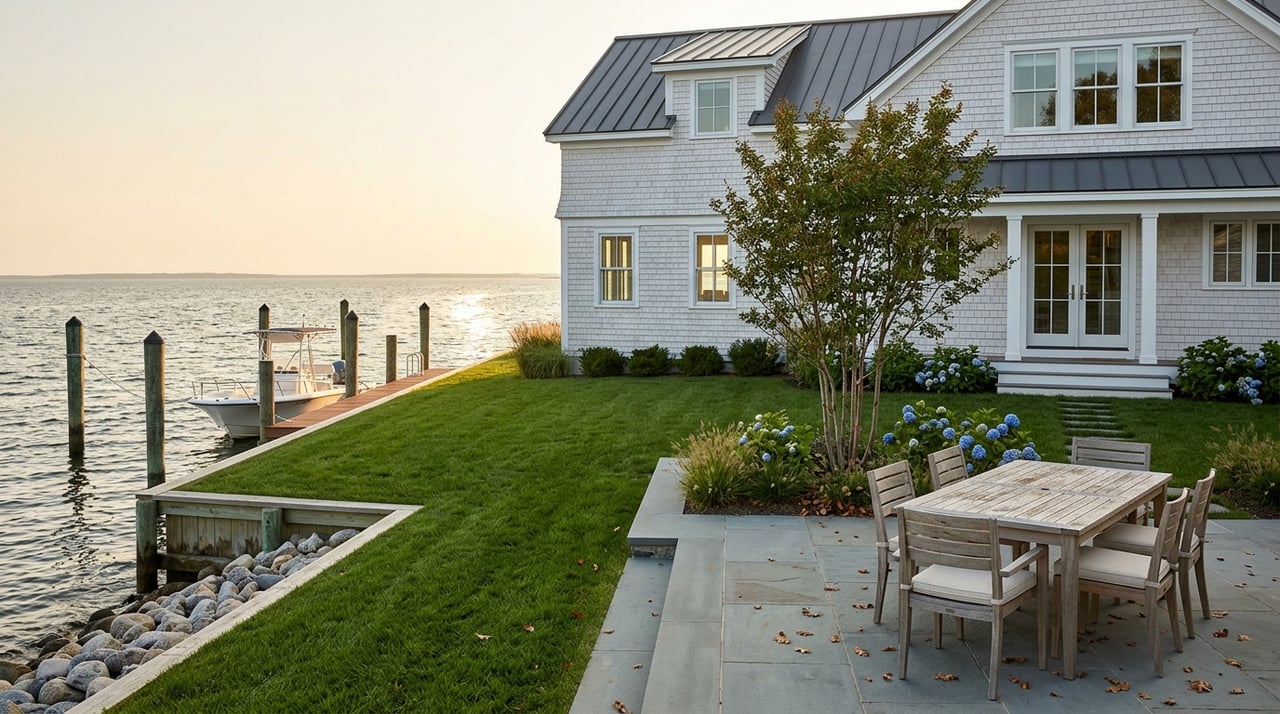
Some buyers are drawn to Middletown because of its shoreline connections and waterfront potential. The township’s housing element states that the Port Belford Redevelopment Plan is intended to support waterfront multifamily and mixed-use development near ferry transportation.
That can create appealing lifestyle opportunities, but waterfront or low-lying property usually requires more careful review. Middletown’s floodplain management information states that 3,401 buildings and 4,623 acres are in the Special Flood Hazard Area.
The township also notes that it joined FEMA’s Community Rating System in 2017 and is a Class 7 community, which gives residents a 15% flood-insurance premium reduction. Even with that benefit, flood exposure remains an important planning issue for buyers considering certain locations.
Questions To Ask About Flood Zones
If a home is near the shoreline or in a lower-lying area, due diligence becomes especially important. You may want to understand elevation, current insurance needs, and whether future work could require added approvals.
The township directs residents to floodplain management when a property is in a flood zone, and its permits page includes applications for floodplain encroachment and work in a special flood hazard area. If you are planning improvements, that extra review can affect both timeline and budget.
Renovation Plans May Need Extra Review
If you are considering a property because of its potential, be sure to look beyond the floor plan. In Middletown, buyers planning renovations, additions, pools, or flood-zone work should expect zoning review and, in some cases, separate floodplain or grading approvals before construction permits.
That does not mean you should avoid homes with upside. It means you should match your vision with the property’s zoning and permitting realities early, especially if the project is a major part of why you are buying.
How To Narrow Your Middletown Search
When buyers feel overwhelmed in Middletown, it is usually because the township offers more variety than they expected. A simple way to narrow your options is to focus on a few practical decision points first.
Start with these questions:
- Do you want a detached home, attached home, or a more right-sized option?
- How important is lot size versus low maintenance?
- Do you need rail, bus, or ferry access for your commute?
- Are you comfortable with an older established home, or do you prefer a more compact or potentially newer format?
- Are you considering waterfront or low-lying areas that may require extra flood-zone due diligence?
- Do you plan to renovate, add on, or make major outdoor improvements?
A Simple Way To Compare Options
| Housing priority | Middletown option to explore |
|---|---|
| More yard space | Established detached homes |
| Lower maintenance | Townhomes, apartments, or other attached options |
| More privacy | Rural estate or rural residential settings |
| Commute convenience | Areas near the train station, bus corridors, or Belford ferry |
| Lifestyle near waterfront access | Port Belford area and other shoreline-related locations |
| Easier right-sizing | Planned adult communities or smaller-footprint housing |
The Bottom Line On Middletown Housing
Middletown works well for buyers because it is not limited to one housing type. You can find a market anchored by detached suburban homes, but also shaped by townhomes, apartments, planned adult communities, redevelopment areas, and lower-density settings.
The key is knowing what tradeoffs fit your life best. When you understand your commute, maintenance tolerance, space needs, and comfort level with floodplain or renovation considerations, Middletown becomes much easier to navigate.
If you want help sorting through Middletown’s housing options and finding the right fit for your goals in Monmouth County, connect with Thomas Mallan.
FAQs
What types of housing are available in Middletown Township, NJ?
- Middletown includes detached single-family homes, attached homes, apartments, two-family housing, planned adult communities, accessory apartment concepts, and mixed-use or multifamily redevelopment areas.
Are single-family homes the most common housing type in Middletown, NJ?
- Yes. According to the township’s 2020 housing inventory, 78.2% of units were 1-unit detached homes.
Are there lower-maintenance housing options in Middletown, NJ?
- Yes. Middletown includes townhouse, garden apartment, mid-rise apartment, and other multifamily zoning districts that support more compact and lower-maintenance living options.
Which parts of Middletown may work best for commuters?
- Homes near the NJ TRANSIT station, Route 35 and Route 36 bus corridors, or the Belford ferry area may be more convenient for buyers who commute by train, bus, or ferry.
What should buyers know about flood zones in Middletown, NJ?
- Some properties may require extra due diligence related to flood exposure, insurance, elevation, and permits, especially in shoreline or low-lying areas within the Special Flood Hazard Area.
Do renovation projects in Middletown, NJ require approvals?
- Yes. Depending on the project, buyers may need zoning review and sometimes separate floodplain or grading approvals before construction permits are issued.