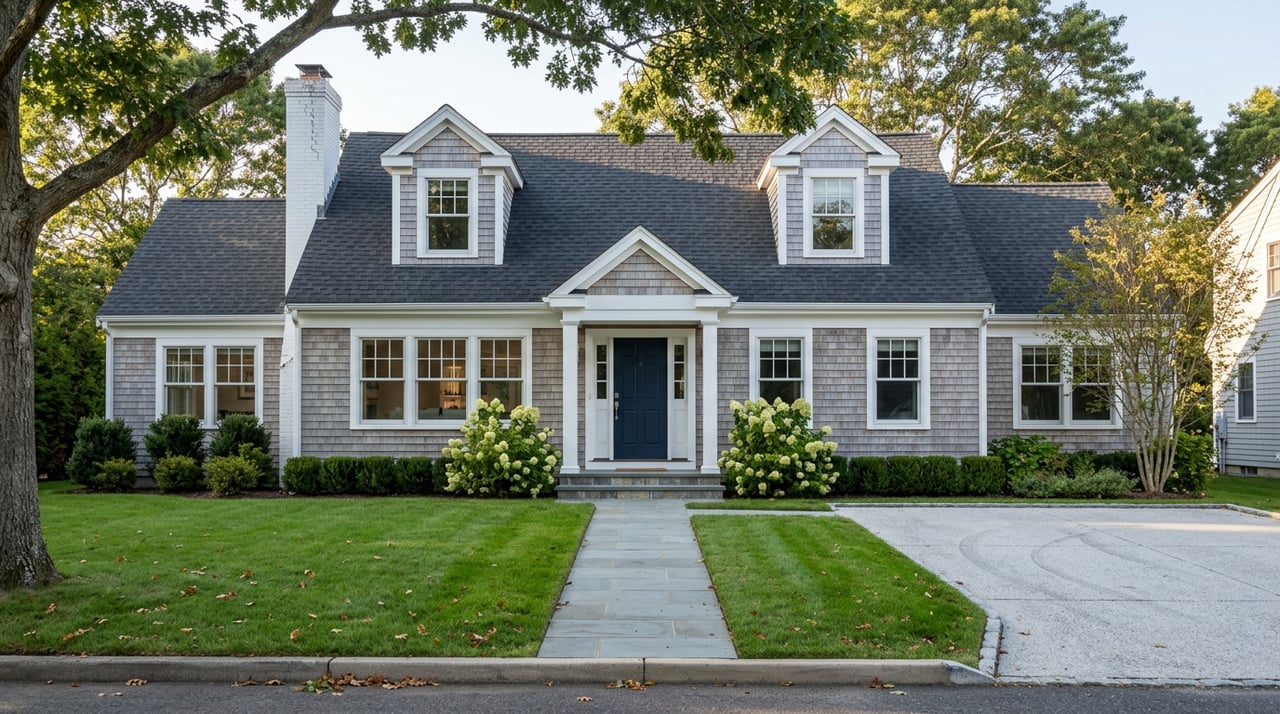
You found the right home in Rumson and do not want to lose it waiting for your current place to sell. You are not alone. Many local move‑up families want a cleaner offer that does not rely on a sale contingency but still need access to equity for the down payment. In this guide, you will learn how bridge loans, HELOCs, and a few smart alternatives can help you buy first, what they cost, and how to coordinate timing in New Jersey. Let’s dive in.
Why buy before you sell in Rumson
Rumson is an affluent Monmouth County market with mostly single‑family homes and a buyer pool that often includes move‑up families and New York City commuters. Sellers here tend to prefer non‑contingent offers because the process is faster and more certain. If you can close without a sale contingency, you strengthen your negotiating position.
Because home values are higher than many nearby towns, you likely have meaningful equity but also bigger down‑payment targets and higher carrying costs. Those realities shape how you use a bridge loan or HELOC to unlock equity for your next purchase while your current home is still on the market.
Bridge loans explained
What a bridge loan is
A bridge loan is a short‑term loan that uses your current home, your new home, or both as collateral to access cash for the next purchase. You repay it when your current home sells or when you refinance into permanent financing. It is designed to fill a temporary gap so you can move forward without a sale contingency.
Typical structure and terms
- Term: commonly 6 to 12 months, sometimes up to 12 to 24 months.
- Interest: higher than standard first‑mortgage rates to reflect the short term and risk.
- Payments: often interest‑only during the term; some have balloon payments or added fees.
- Loan size: based on your available equity and the combined loan‑to‑value (CLTV) across all loans.
- Fees: expect origination, appraisal, and legal/title fees.
Pros
- Enables a clean, non‑contingent offer in a competitive environment.
- Provides faster access to equity than waiting to sell first.
Cons and risks
- Higher rates and fees compared with traditional mortgages.
- You may carry two housing payments if your current home does not sell quickly.
- Extra liens can complicate closing if payoff logistics are not coordinated.
- Can affect your ability to qualify for the new mortgage if DTI or CLTV is tight.
HELOC or home equity loan
What they are
A home equity line of credit (HELOC) is a revolving line secured by your home. A home equity loan is a fixed second mortgage. Both let you tap equity for your down payment before you sell.
- HELOCs usually have a draw period and variable rates.
- Home equity loans have fixed rates, set terms, and fixed payments.
- Lenders cap combined LTV, often in the 80 to 90 percent range depending on credit and property.
Why a HELOC can work well
- Interest and fees are often lower than bridge loans for strong borrowers.
- Flexible access to equity. You can draw only what you need.
- Can serve as a backup even if you expect a quick sale.
Watchouts
- Large HELOC draws count in your debt picture and can affect qualifying for the new mortgage.
- Variable rates can increase your interest cost.
- You must coordinate payoff and lien release at closing so title is clear to the buyer.
Cross‑collateral options
How they work
Some lenders will secure a single loan using both your new property and your current home as collateral. These are often portfolio or specialized bridge products and are not available everywhere.
Pros
- May allow larger loan amounts or better terms in specific cases.
- Can reduce the need to fully cash out your existing mortgage.
Cons
- Both properties are at risk if you default.
- Adds legal complexity and requires careful coordination to release liens when you sell.
Alternatives to consider
- Simultaneous closings: coordinate both settlements so one funds the other. This is possible in New Jersey but requires tight timing.
- Rent‑back from your buyer: sell first and rent the home back briefly to bridge your move. Less common but sometimes workable.
- Longer settlements: negotiate a longer closing window to reduce overlap.
- Contingent offer with backup financing: make a contingent offer while arranging a bridge or HELOC you can activate if needed.
What lenders evaluate
Lenders look closely at your full picture when you plan to own two homes, even temporarily. Expect review of:
- Combined debt‑to‑income ratio including payments for both properties.
- Combined loan‑to‑value across first mortgage, second mortgage, and any bridge advance.
- Credit score and cash reserves. Many lenders want several months of payments on both homes.
- Appraisal and marketability of your current property, since the sale repays the bridge or HELOC.
- Title items and existing liens, which affect lien priority and payoff sequence.
A Rumson move‑up timeline
Every deal is different, but here is a simplified path that fits local 30 to 60‑day closing windows.
- Week −4 to 0: Meet your lender and agent. Get pre‑approved for the new mortgage. Apply for a bridge loan or HELOC and prepare your current home for market.
- Week 0: List your home and begin touring. Make an offer on the new home using bridge or HELOC funds for the down payment.
- Weeks 2 to 6: Ratify the purchase. Close on your bridge or HELOC before or at purchase closing.
- Weeks 4 to 12: Close on your new home and move in. Your current home is actively marketed.
- Weeks 8 to 20: Sell your current home. Pay off the bridge or HELOC at closing per lender instructions.
Costs to plan for
Budget conservatively so you are comfortable carrying two homes if needed. Include:
- Bridge interest and fees, plus appraisal and legal/title costs.
- HELOC or second‑mortgage costs if you choose that route.
- Carrying costs for two homes: mortgages, insurance, utilities, property taxes, maintenance, and any HOA dues.
- New Jersey transfer taxes, recording fees, and routine closing costs at both sale and purchase.
Key risks to weigh
- Market timing: if your current home takes longer to sell or sells for less, you could face a payoff shortfall.
- Qualification constraints: the extra loan can increase your monthly obligations and affect approval for the new mortgage.
- Liquidity needs: many lenders require reserves to cover months of payments on both homes.
- Interest‑rate exposure: HELOC rates are variable and some bridge products can reset or carry rate premiums.
- Title and liability: cross‑collateral loans place liens on multiple properties.
When bridge financing makes sense
Bridge financing can be a fit if you have solid equity and confidence your current home will sell within the term. You also want strong credit, ample reserves, and comfort carrying two homes for a period. In a competitive Rumson setting with tight inventory, the ability to make a non‑contingent offer can be the edge that secures a desirable property.
Checklist for Rumson buyers
- Get a current market valuation for your home so you know your equity.
- Obtain pre‑approval for the new mortgage including bridge or HELOC scenarios.
- Request written terms for any bridge or HELOC option: rate, fees, payment structure, required reserves, and lien requirements.
- Confirm whether the lender allows repayment at sale and what payoff documentation is needed.
- Calculate worst‑case carrying time and total cost.
- Align your listing strategy and timing with your expected bridge term.
- Loop in your title attorney and lender early for payoff coordination and lien releases.
- Ask a tax advisor about interest deductibility and any potential capital gains exclusion.
Closing mechanics in New Jersey
Most New Jersey transactions involve title and closing attorneys. If your bridge or HELOC is secured by your current home, the lender must be paid off at your sale closing. Your title team will request payoff statements and provide instructions to ensure liens are released so the buyer receives clear title.
If your loan is cross‑collateralized, your lender will provide specific steps for releasing the lien on the property you sell. That may require a full payoff or substitution of collateral. Advance coordination avoids delays.
Questions to ask your lender
- Will I still qualify for the new mortgage with a bridge loan or HELOC, and how will you count the payment in DTI?
- What is the maximum combined LTV you allow and how much equity can I access?
- What are the interest rate, fees, term length, and any prepayment conditions?
- Can I repay the bridge at my sale closing, and what payoff documents are needed?
- What reserves will you require to carry two homes?
Questions to ask your agent
- Based on current Rumson conditions, what is a realistic listing period for my home?
- What pricing and marketing strategy will reduce carrying time while meeting my goals?
- How will we disclose and manage any existing bridge or HELOC liens during the sale?
- Can you coordinate simultaneous closings or rent‑back terms if needed?
Local guidance you can trust
Buying first and selling second takes planning, but it is very achievable in Rumson and Monmouth County with the right team. Early alignment between your lender, your title attorney, and your agent keeps underwriting, lien payoffs, and closing dates on track. If you want to discuss scenarios and timing based on your home’s value and your target neighborhood, reach out.
Ready to map your move‑up plan or get clarity on your numbers? Connect with Thomas Mallan to talk through bridge options, timelines, and a listing strategy that fits your goals.
FAQs
What is a bridge loan for Rumson move‑up buyers?
- A short‑term loan secured by your current home, your new home, or both, used to fund your next purchase before you sell, then repaid when your current home closes or you refinance.
How long can I carry a bridge loan?
- Many bridge loans run 6 to 12 months, with some up to 12 to 24 months; aim to sell within the term to avoid extensions or extra costs.
Does a HELOC hurt my mortgage approval for the new home?
- It can, because lenders may count the HELOC payment in your debt‑to‑income ratio and it affects your combined loan‑to‑value; your lender will model this during pre‑approval.
What if my current Rumson home takes longer to sell?
- Plan for carrying costs and have reserves; you may keep the bridge longer, adjust pricing or marketing, or consider alternatives like a rent‑back or timing changes with your agent.
Can I close both homes on the same day in New Jersey?
- Yes, simultaneous or closely sequenced closings are possible, but they require tight coordination among your lender, title attorney, and agents to manage payoffs and lien releases.
What extra costs should I budget beyond the down payment?
- Include bridge or HELOC interest and fees, appraisals, legal/title charges, New Jersey transfer and recording costs, plus two sets of monthly housing expenses until your sale closes.