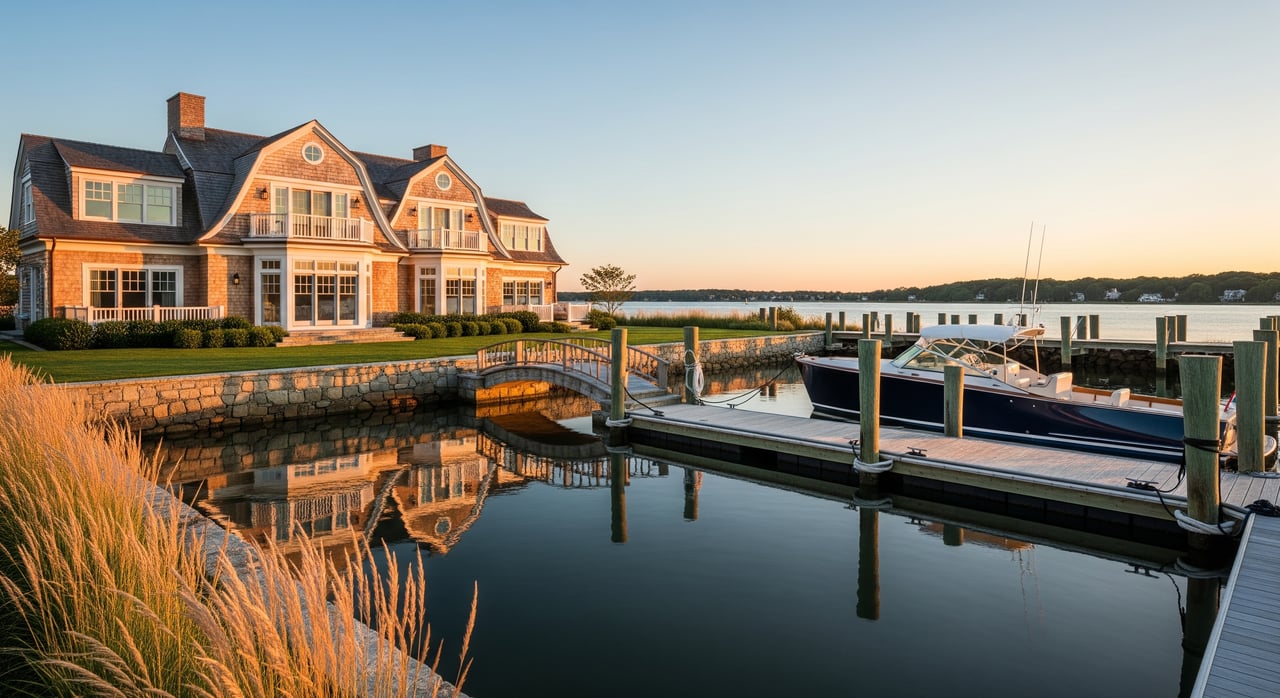
Wondering how much you will need at the closing table in Rumson? With higher home prices and unique waterfront factors, closing costs here can feel confusing. This guide breaks down what these costs include, who usually pays them in New Jersey, typical ranges at Rumson price points, and how to get exact numbers for your situation. Let’s dive in.
What closing costs cover in Rumson
Closing costs are the fees and prepaid items needed to transfer ownership and fund your loan. They vary by property, loan type, and what you negotiate in the contract.
Seller costs at a glance
- Realty Transfer Fee (RTF): A New Jersey state fee based on the sale price, typically paid by the seller at closing. Rates are set by the State and can change.
- Recording-related items: Fees to record the deed and handle lien releases. Practices can vary by negotiation.
- Attorney fees: Most sellers use a New Jersey real estate attorney for contract, title, and closing documents.
- Payoffs and municipal items: Mortgage payoff(s), lien satisfaction fees, and any municipal charges tied to open permits or local assessments.
- Real estate commission: The largest seller expense in most transactions. Commission is negotiable.
Buyer costs at a glance
- Title search, title insurance, and settlement fees: Title search confirms ownership and liens. Lender’s title policy is typically required with a mortgage. An owner’s policy is commonly purchased in New Jersey but is negotiable.
- County recording fees: To record your mortgage and other documents with the Monmouth County Clerk.
- Lender fees: Origination, application, underwriting, credit report, appraisal, and flood determination when applicable.
- Escrows and prepaids: Property tax and homeowners insurance escrows, plus prorated taxes and any HOA dues.
- Inspections and certifications: General home inspection, pest inspection, and where applicable septic, well, or specialty inspections.
- Survey and engineering: Property survey and, for some waterfront homes, elevation certificates or bulkhead/coastal reports if required by your lender.
- Attorney fees: Many Rumson buyers retain a New Jersey real estate attorney. Fees may be flat-rate or hourly.
Who usually pays what in New Jersey
- Realty Transfer Fee: Typically paid by the seller, subject to contract terms and any exemptions.
- Recording fees: Buyers often pay to record the mortgage; sellers may pay deed-related items, but this is negotiable.
- Title insurance: The lender’s policy is usually a buyer cost if there is a mortgage. The owner’s policy is commonly purchased by the buyer in New Jersey, though parties can negotiate.
- Attorney fees: Each party generally pays their own attorney.
- Inspections and surveys: Usually buyer expenses, unless local rules or negotiations assign certain items to the seller.
- Prorations: Property taxes and HOA dues are prorated between both parties at closing.
Typical ranges in Rumson
- Buyer closing costs: Often about 2% to 5% of the purchase price, excluding your down payment. The exact figure depends on loan type, escrows, and property-specific items.
- Seller closing costs (excluding commission): Often about 1% to 3% of the sale price, plus real estate commission, which is commonly a large line item and is negotiable.
These are general norms, not quotes. Your final numbers depend on your signed contract, your lender’s requirements, title findings, and local fees.
Rumson examples by price point
Below are illustrative examples to show scale only. Actual costs will vary based on your contract, loan, and property specifics.
$800,000 sale (illustrative):
- Buyer estimated closing costs at 3%: $24,000
- Seller estimated costs:
- Commission at 5.5%: $44,000
- Other seller closing costs at 1.5%: $12,000
- Total seller costs: $56,000
$1,750,000 sale (illustrative):
- Buyer estimated closing costs at 3%: $52,500
- Seller estimated costs:
- Commission at 5.5%: $96,250
- Other seller closing costs at 1.5%: $26,250
- Total seller costs: $122,500
$3,500,000 sale (illustrative):
- Buyer estimated closing costs at 3%: $105,000
- Seller estimated costs:
- Commission at 5.5%: $192,500
- Other seller closing costs at 1.5%: $52,500
- Total seller costs: $245,000
Note: As prices rise, some flat-fee items become a smaller percentage of price, while percentage-based items like title insurance premiums and commission increase in dollars.
Rumson factors that change costs
- Higher home values: Rumson’s pricing means percentage-based items result in larger dollar amounts.
- Waterfront requirements: You may see costs for flood determinations, elevation certificates, specialized inspections, or flood insurance if required by your lender.
- Property tax proration: Monmouth County’s tax calendar and assessed values influence how much is collected at closing.
- Title complexity: Older estates, trust ownership, easements, or private roads can add title work and costs.
- Lender requirements: High-value or waterfront loans may require additional appraisals, reserves, and documentation.
- Municipal certificates: Some municipalities require certain certificates or proof of clear status before closing, which can add fees or time.
How to get exact numbers
Documents that lock in numbers
- Purchase agreement: Shows who pays which fees and whether there are seller credits.
- Payoff statements: For any seller mortgage or lien to be cleared.
- Title commitment: Details title requirements and exceptions that may add costs.
- Loan Estimate and Closing Disclosure: Your lender’s Loan Estimate outlines buyer costs early. The final Closing Disclosure is issued three business days before closing for financed purchases.
Local sources to consult
- New Jersey Division of Taxation: Current Realty Transfer Fee schedule and any exemptions.
- Monmouth County Clerk: Recording fee schedule and procedures.
- Rumson Borough tax collector: Tax rates, assessments, and proration practices.
- Local title companies and real estate attorneys: Premiums, title search fees, and settlement fee estimates.
- Your lender: Specific origination, appraisal, escrow, and reserve requirements for your loan.
Smart questions to ask
- To your attorney or title company: “What will the seller’s net proceeds be after RTF, payoff(s), lien releases, and estimated closing costs?”
- To your lender and title company: “Please provide a Loan Estimate and a detailed title and closing cost worksheet showing policies, recording fees, escrow deposits, and prorations.”
- To the county clerk or tax collector: “What are the exact deed and mortgage recording fees and the municipal tax proration method?”
- To your agent or attorney: “What are the customary Rumson practices around owner’s title policy, municipal certificates, or inspections?”
Ways to manage your out-of-pocket
- Negotiate responsibilities: You can negotiate who pays certain fees. Seller credits can help buyers cover some costs, subject to loan program limits.
- Confirm policy choices: Discuss whether the owner’s title policy is customary for the buyer in your deal and whether any alternatives fit your risk tolerance.
- Time your closing: Work with your lender and attorney to schedule closing dates that align with tax cycles to manage prorations.
- Request detailed estimates early: Early itemized estimates from your lender, title company, and attorney help you prepare and avoid surprises.
What to expect before closing
- Under contract: Your attorney and title company begin title work while your lender processes the loan, orders the appraisal, and requests documents.
- Insurance and escrows: You select homeowners insurance and the lender sets up escrow deposits and prepaids.
- Final review: You receive the final Closing Disclosure at least three business days before closing for a financed purchase. Review it with your attorney and lender.
- Closing day: Funds are wired, documents are signed, and the deed and mortgage are recorded with Monmouth County.
If you want a calm, clear path to the closing table, tap a local advocate who knows Rumson and Monmouth County inside and out. For a personalized cost breakdown and strategy, reach out to Thomas Mallan for one-on-one guidance.
FAQs
Who pays the Realty Transfer Fee in New Jersey?
- The seller typically pays the New Jersey Realty Transfer Fee at closing, subject to the contract and any exemptions.
How much are Monmouth County recording fees for deeds and mortgages?
- Recording fees are charged per document and page by the Monmouth County Clerk. They are usually modest per document; check the current schedule for exact amounts.
Is title insurance required for Rumson home purchases?
- Lenders require a lender’s title policy when there is a mortgage. An owner’s title policy protects your equity and is commonly purchased in New Jersey but is negotiable.
Do Rumson waterfront homes come with extra closing costs?
- Often yes. You may see flood insurance requirements, elevation certificates, specialized inspections, and sometimes higher appraisal or certification costs.
Can closing costs be negotiated in Rumson?
- Yes. Buyers and sellers can negotiate who pays specific fees, and seller credits may cover some buyer costs. Lenders set limits on concessions for certain loan programs.