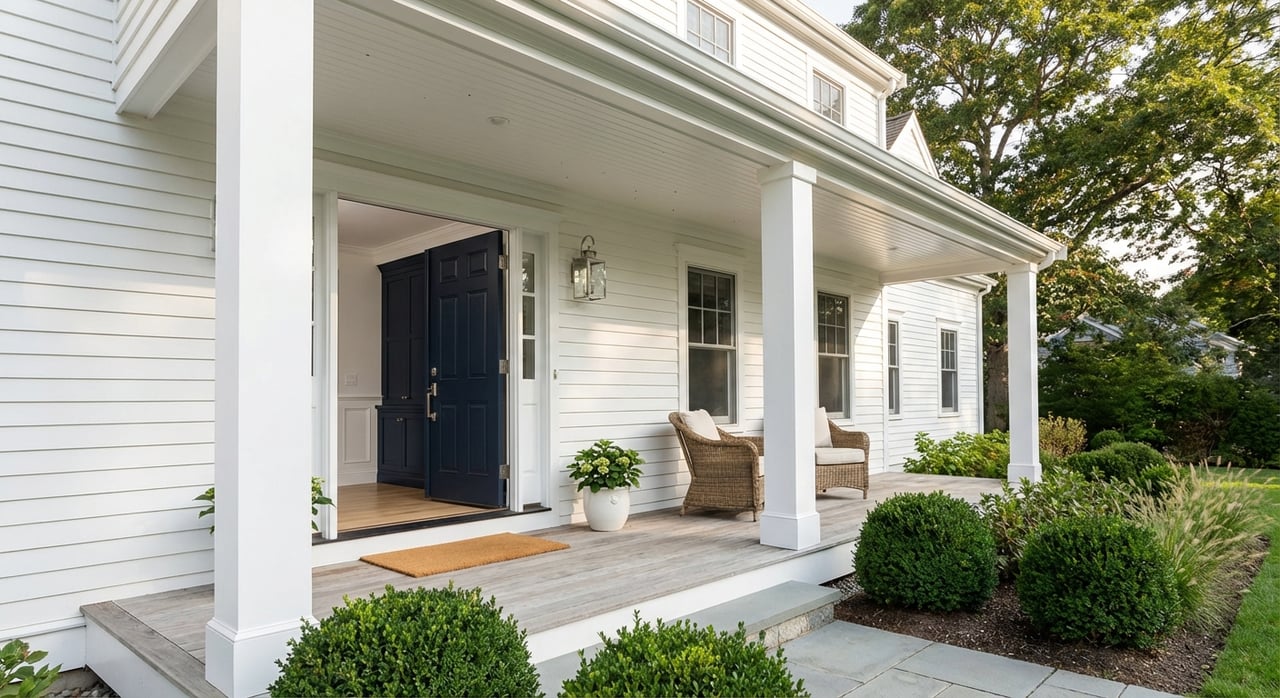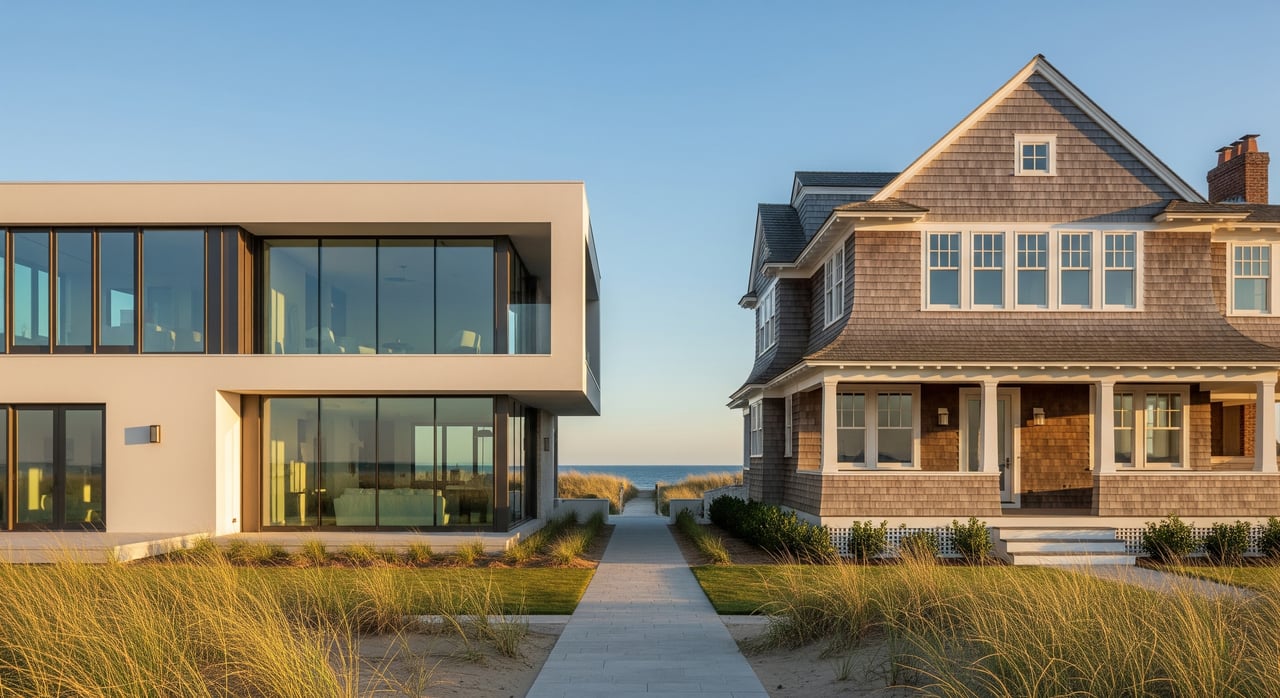
Trying to decide between a shiny new condo by Pier Village and a classic resale home inland? You’re not alone. Long Branch offers two very different paths to the beach lifestyle, each with its own costs, conveniences, and risks. In this guide, you’ll learn how HOA fees, taxes, insurance, warranties, and walkability stack up so you can choose with confidence. Let’s dive in.
Long Branch housing at a glance
Long Branch blends oceanfront condo living with established single-family neighborhoods. Near the boardwalk and Pier Village, you’ll find newer, amenity-rich buildings and mixed-use projects. Inland, many blocks feature older detached homes and rowhouses with different maintenance profiles and lot sizes.
Walk-to-beach and dining convenience cluster near the oceanfront. Inland areas tend to offer more parking and yard space. Because Long Branch is coastal, you should factor in flood risk for any home. Elevation, building age, and code compliance can affect both long-term resilience and insurance costs.
What you’ll pay each month
Purchase price and market dynamics
New construction close to the beach often carries a premium for location, views, modern finishes, and amenities. Resale homes inland may be more budget-friendly per square foot but can require updates. Established condo buildings vary in price depending on condition and association health.
HOA and condo fees
Oceanfront condos usually have higher monthly HOA fees because they cover amenities, on-site management, common area insurance, reserves, and sometimes utilities. In coastal New Jersey, fees often range from a few hundred dollars per month to $1,000+ in luxury buildings, depending on services and size. Ask for the current dues, the HOA budget, a recent reserve study, and meeting minutes to check for planned work or special assessments.
Property taxes and assessments
New Jersey’s property taxes are among the highest in the country, and exact bills vary by assessed value and municipality. New construction typically results in a higher assessment because the improvement is new. Some redevelopment projects include tax abatements or PILOTs that reduce taxes for a limited time. Always confirm the current tax bill and whether any abatement applies with the municipal assessor before you buy.
Homeowner and flood insurance
Coastal properties often need both homeowners and flood insurance. Newer buildings designed to current elevation and flood standards may qualify for lower flood premiums than older, lower-elevation homes nearby. Premiums depend on the exact address and elevation, so get quotes for the specific property and ask about private flood options.
Peace of mind: warranties and inspections
New construction warranties
Many builders provide a warranty structure along these lines: about 1 year for workmanship and materials, roughly 2 years for major systems like HVAC, plumbing, and electrical, and up to 10 years for structural components. Coverage varies by builder and whether a third-party warranty backs it. Get the warranty in writing, review exclusions, and plan an independent inspection around month eleven to catch items while under coverage.
Resale protections
Resale homes do not come with builder warranties, so a thorough home inspection is essential. Consider specialized inspections for roofing, mechanicals, and potential environmental concerns. For condos, review the master insurance policy, financials, reserve study, and meeting minutes to spot deferred maintenance or upcoming projects.
Titles, easements, and coastal rules
Near the beach, confirm access rights and any easements related to boardwalks or dune maintenance. Ask about any special assessments tied to shore protection or parking districts. For major renovations, understand local rules that can trigger elevation or other code upgrades if the project is considered a substantial improvement.
Lifestyle tradeoffs by the beach
Walk-to-beach pros and cons
Living steps from the sand means easy access to the ocean, restaurants, retail, and seasonal events. It can also mean seasonal noise, more foot traffic, and stricter parking limits. Some buyers see the energy as a plus, while others prefer the quiet of inland streets.
Parking, transit, and access
Many beachfront buildings include assigned garage or surface parking, though guest parking can be limited. Inland neighborhoods may offer private driveways or ample on-street options. Long Branch is served by NJ Transit’s North Jersey Coast Line, and proximity to the station and Pier Village often carries value for NYC commuters.
Rental rules and income potential
Short-term rental demand is often higher near the beach, but rules matter. HOA bylaws, city ordinances, and state regulations can restrict rentals. If rental income is part of your plan, verify what’s allowed before you make an offer.
Flood and resiliency
Even new construction faces coastal hazards. Elevation, flood-resistant materials, and resilient design reduce risk but do not remove it. Check FEMA flood maps, ask for an elevation certificate if available, and talk with the local building and floodplain offices about current codes and any shoreline improvement plans.
Which option fits your goals?
- Choose new construction if you want modern layouts, lower near-term repairs, energy-efficient systems, and resort-style amenities. You should be comfortable with higher HOA fees and the possibility that a developer controls the HOA early on.
- Choose a resale home if you value yard space, private parking, and character, and you’re open to renovations. You may unlock better value inland, though flood insurance and long-term maintenance can vary widely.
Your due diligence checklist
For new construction
- Request the full purchase contract and written builder warranty, including who services claims.
- Confirm the certificate of occupancy timeline and the construction completion schedule.
- Review condo declarations, bylaws, HOA budgets, reserve studies, and recent meeting minutes.
- Ask whether there is any tax abatement or PILOT and confirm details with the assessor.
- Clarify HOA management during developer control and the plan for owner transition.
For resale
- Order a comprehensive home inspection and any needed specialty inspections.
- Review recent utility bills, the current tax bill, and any seller disclosures.
- Verify age and condition of roof, HVAC, plumbing, electrical, and sewer connections.
- Confirm there are no open permits or code violations.
- For condos, review the master insurance policy, financials, reserves, and minutes.
For both
- Check the FEMA flood zone and obtain flood and homeowners insurance quotes for the exact address.
- Ask the municipal assessor to confirm the current assessment and any abatement or PILOT.
- Work with a local real estate attorney or title agent to review easements and title exceptions.
How I help
Choosing between a new oceanfront condo and an inland resale is about balancing location, monthly costs, and long-term risk. As a local advisor with deep roots in Monmouth County, I help you compare HOA health, verify taxes with the assessor, understand flood exposure, and coordinate inspections so you can buy with confidence. When you are ready to walk through options in Long Branch, reach out to Thomas Mallan for calm, expert guidance.
FAQs
Will a new Pier Village condo have lower maintenance than an inland resale?
- Likely lower near-term unit repairs and shared system issues, but monthly HOA fees are usually higher in amenity buildings; long-term costs depend on HOA reserves and building quality.
Are property taxes always higher on new construction in Long Branch?
- New builds often have higher assessed values, which can mean higher taxes unless a specific abatement or PILOT applies; confirm status and amounts with the municipal assessor.
Does new construction lower flood insurance costs in Long Branch?
- New homes built to current elevation and flood standards often qualify for lower premiums than older, lower-elevation homes nearby, but quotes depend on the exact address and elevation.
Should I worry about special assessments in a brand-new condo?
- It can happen if reserves are underfunded during developer control; review the reserve study, budget, and minutes to understand funding plans and upcoming projects.
What should I know about short-term rentals near the beach?
- Demand may be strong, but city rules and HOA bylaws can limit or prohibit short-term rentals; always verify what is allowed before relying on rental income.