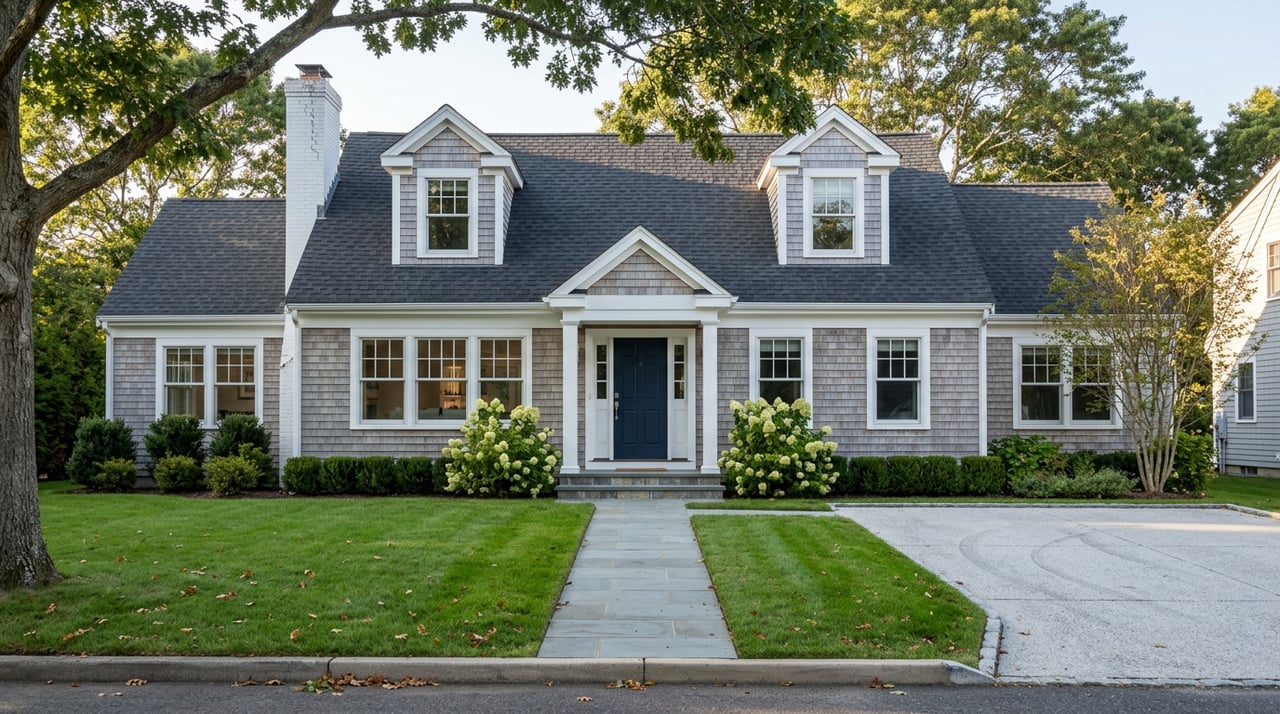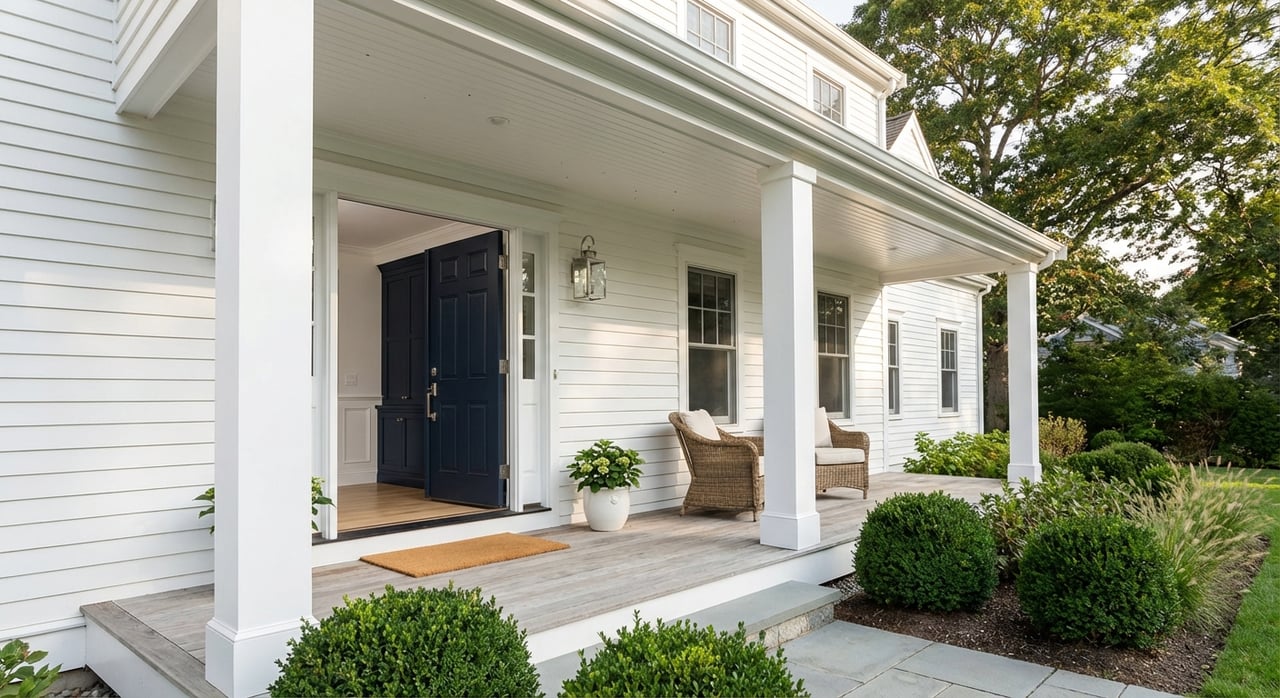
Thinking about selling your home in Middletown, NJ, but not sure when to make your move? Timing your sale can shape how fast you go under contract and what you net at closing. You want a clear plan that blends local data, seasonality, and today’s mortgage-rate reality. In this guide, you’ll learn how Middletown’s market behaves through the year, how interest rates affect buyer demand, and how to choose the right window for your price point. Let’s dive in.
Middletown market snapshot
Middletown’s market has stayed relatively strong compared with national trends. Recent township snapshots through 2025 show a median sold price around the mid to high $600,000s to about $700,000, with faster sales and strong results in peak months. County context supports that picture, with Monmouth County medians generally in the high $600,000s to $700,000s.
What this means for you: well-presented homes priced near township medians have seen healthy competition in the busy seasons. Inventory has often remained lower than historical norms, which can favor sellers who are ready to list.
Best times to sell in Middletown
Seasonality still matters in the Northeast, but your price band and local competition matter more.
Spring advantages
Late March through mid May is often the highest-traffic window for buyers. Many listings that hit in April benefit from the biggest audience and more competition. If your goal is maximum visibility and price tension, spring is a strong strategy.
Summer tradeoffs
June can deliver strong prices, yet there is usually more seller competition. Family buyers aim to close before the school year, which keeps activity going. Expect some vacation distractions and a bit more supply to stand out against.
Fall window
September and October bring a smaller buyer pool, but buyers who are active tend to be more motivated. You may have fewer showings and a cleaner process. If you prefer certainty and control over foot traffic, fall is a practical choice.
Winter niche
From November through February, activity slows, but serious buyers are still in the market. With fewer competing listings, well-prepped homes can still sell efficiently. If you need to move quickly, winter can work if pricing and presentation are dialed in.
Local nuance: Middletown attracts NYC commuters year-round thanks to the NJ Transit station and commuting routes, which helps support steady demand. If your home appeals to shore-focused buyers who want to enjoy summer nearby, an earlier spring launch can add momentum. Learn more about the station’s role in local commuting on the overview of Middletown Station.
Rates and affordability: why timing shifts
Mortgage rates change the size of the buyer pool in real time. In early February 2026, Freddie Mac’s weekly survey showed the 30-year fixed at about 6.09 percent, which is lower than many points in 2024 and 2025 but still above the sub-4 percent era. Lower rates lift buyer budgets and participation. Higher rates reduce purchasing power and can slow activity. You can see the rate trend in this Freddie Mac PMMS update.
Many owners still hold mortgages with rates near or below 4 percent. This “lock-in” effect makes some homeowners hesitant to sell, which keeps inventory tighter and can benefit sellers who do list. For context on lock-in and inventory, review this summary of homeowner rate dynamics.
What a rate move means in dollars
Assume a $700,000 sale price with 20 percent down. The loan would be $560,000. Estimated monthly principal and interest for a 30-year fixed:
- At 6.09 percent: about $3,390
- At 7.00 percent: about $3,726
- At 5.00 percent: about $3,006
A one-point change in rates can shift a monthly payment by roughly $330 to $420 on this example. That swing changes what many buyers can qualify for and how aggressively they can bid. If rates drop meaningfully, the buyer pool often widens within weeks. If rates spike, expect more negotiation on price and concessions.
Read demand by price band
Middletown has a mix of home types and price points. Demand can vary widely by segment, so dial in your strategy to your tier.
- Entry to mid tier, roughly under the low to mid $600,000s in nearby neighborhoods, often shows the shortest days on market when inventory is tight.
- Core family tier, near the township median, can be very competitive in peak months if presentation and pricing are on point.
- Upper and luxury tiers have a smaller, more selective buyer pool. Pricing accuracy, standout marketing, and patience matter more than pure seasonality.
Signals to watch before you list
- Months of supply. Calculate it for your price band: active listings divided by the average monthly sales rate over the last 12 months. Under 3 to 4 months often favors sellers. Around 4 to 6 is closer to balanced. Above 6 can lean to buyers.
- Median days on market and share of sales over list in your band. Faster sales with a high share of over-ask closings signal strong demand.
- New listings vs. pending sales. If new listings rise faster than pendings, demand may be softening. If pendings outpace new listings, demand is tightening.
- Price reductions and how quickly they occur. Early and frequent reductions suggest buyers are pushing back on pricing.
If your months of supply is under 3 and days on market sit below the township median, you likely have a favorable six-month window to list.
Prep checklists by season
You will get the best results when your home looks its best. Staging and thoughtful prep can shorten time on market and lift offers. According to NAR, home staging can both cut days on market and raise sale prices, especially when you focus on the living room, kitchen, and primary bedroom. See the NAR staging findings.
Exterior updates tend to carry strong resale value. National Cost vs. Value research shows that high-visibility exterior projects, such as entry doors, exterior siding, and manufactured stone accents, often deliver some of the best payback. Review the latest Cost vs. Value report to set a smart budget.
If you are targeting spring
- Start planning 10 to 12 weeks before your list date for contractor work, painting, and repairs.
- Book professional photos about 1 to 2 weeks before going live.
- Prioritize curb appeal, light landscaping cleanup, and minor kitchen or bath refreshes.
If you are targeting fall
- Begin 8 to 12 weeks ahead. Front-load exterior work in late summer so your photos capture full, healthy landscaping.
- Tackle safety and maintenance items first to avoid inspection surprises.
- Stage key rooms and apply fresh, neutral paint where needed.
High-ROI priorities
- Safety and system fixes first. Roof, HVAC, plumbing, and any visible repairs should be addressed before showings.
- Curb appeal and first impressions. Paint the front door, power-wash, tidy beds, and add simple seasonal plants. Exterior projects often recoup well at resale, per Cost vs. Value.
- Minor kitchen refresh. Consider paint, hardware, lighting, and new faucet or appliances rather than a full gut.
- Staging and top-tier photography. Staging has been shown by NAR to improve outcomes. Focus on the main living spaces first.
- Clean, declutter, and brighten. Neutral paint and lighting updates go a long way with today’s buyers.
Life events vs. market timing
Real life often sets your timeline. Common reasons for selling include job relocation, upsizing or downsizing, family changes, and retirement. NAR’s buyer and seller research highlights how these life events drive moves even when the market is shifting. You can explore the national patterns in NAR’s latest profile insights.
- Job relocation with a firm start date. Aim to list early enough to allow 60 to 90 days between contract and closing. Consider pre-listing inspections and full staging to minimize delays.
- Retirement or downsizing with flexibility. If your price band favors sellers, spring can maximize buyer traffic. A strong fall listing can also work if you prefer fewer showings.
- Urgent situations. Discuss an “as-is” sale versus targeted cosmetic updates that deliver quick returns, based on your equity and timing needs.
DIY timing checklist
Use these steps to judge your window with confidence.
- Map your price band. Look at closed sales and current actives in your tier over the last 12 months and note how long they took to sell.
- Calculate months of supply for your segment. Divide the number of active listings by the average monthly sales rate over the last year.
- Check days on market and the share of sales over list in the last 60 days for homes like yours. Fast sales with frequent over-ask closings are a green light.
- Track new listings versus pendings weekly for 6 to 8 weeks. If pendings rise faster, demand is strengthening. If new listings outpace pendings, be ready to price precisely and shine on presentation.
- Watch mortgage rates weekly. If rates decline by half a point or more and applications rise, buyer activity often improves within 4 to 8 weeks. For a current snapshot, see the latest rate trend.
Action plan and timing
- If selling this spring. Start prep now. Complete safety fixes, curb appeal, and cosmetic refreshes. Have photos and video ready 1 to 2 weeks before launch. Plan to go live between late March and mid May.
- If selling this fall. Begin in midsummer. Get exterior work done early, then focus on interior staging and lighting. Target a September or early October launch.
- If your life event is fixed. Prioritize speed. Stage the key rooms, consider a pre-listing inspection, and price to the market you see today. With lower competing inventory, a clean, compelling package can still drive a strong result.
Ready to time your sale with clarity and confidence? Reach out for a local price-band brief and a tailored plan for your home. Connect with Thomas Mallan to get your free home valuation and a season-specific listing strategy for Middletown.
FAQs
What is the best month to sell a Middletown, NJ home?
- Spring, especially April, often brings the most buyer traffic and competition, but fall can deliver motivated buyers with fewer showings. Your price band and local inventory should guide the final call.
How do mortgage rates affect my Middletown sale?
- Rates change buyer budgets quickly. A one-point move can shift monthly payments by several hundred dollars on a typical Middletown mortgage, which affects how many buyers can compete for your home.
Should I wait for spring or list in fall in Middletown?
- Choose spring for maximum exposure if your segment is hot. Choose fall if you value motivated buyers, less competition, and a calmer showing schedule. Both windows can work with the right prep.
How long should I spend preparing my home?
- Plan 8 to 12 weeks for repairs, painting, updates, staging, and media. If you are targeting spring, start even earlier so contractor schedules and landscaping line up with your launch.
What if I need to sell quickly in Middletown?
- Focus on safety fixes, impactful cosmetic updates, and targeted staging. Price precisely and go live with strong photos. Lower inventory can work in your favor if your home shows well.