If you want a Monmouth County address with more energy than a typical suburban downtown, Red Bank stands out fast. You get a walkable center, a riverfront setting, arts and events, and a housing mix that is broader than many nearby towns. If you are trying to decide whether downtown Red Bank fits your lifestyle and budget, this guide will help you understand what living here can actually look like. Let’s dive in.
What Downtown Red Bank Feels Like
Downtown Red Bank offers a more mixed and active setting than many nearby boroughs. According to the latest U.S. Census QuickFacts for Red Bank, the borough has 12,830 residents, 5,902 households, and a 50.1% owner-occupied rate. That points to a community with both owners and renters, rather than a place made up mostly of detached owner-occupied homes.
The borough also leans into its downtown identity. RiverCenter helps keep the district clean, vibrant, and event-focused, while also supporting seasonal programming like Restaurant Week, Girls Night Out, Oktoberfest, the Red Bank Classic 5K, and StreetLife. The seasonal BroadWalk adds another layer by creating space for outdoor dining, walkable shopping, and special events.
You can also feel the town’s age and character in the streetscape. Red Bank’s Historic Sites Design Guidelines reference both the commercial Broad Street Historic District and the Washington Street Historic District. In practical terms, that helps explain why downtown feels established and distinctive instead of looking like a newer retail corridor.
Downtown Lifestyle Highlights
Arts and entertainment
If you like having things to do without planning your whole weekend around a drive, Red Bank makes a strong case. The borough’s business materials describe the area as home to two performing arts theaters, an independent arts cinema, and many art galleries, with the Count Basie Center for the Arts serving as a major anchor.
The Basie Center adds real depth to the local arts scene. Its history dates back to 1926, and the venue has grown into one of the nation’s most celebrated performing arts centers. For buyers who value culture, live performances, and a downtown that stays active into the evening, that is a meaningful part of daily life.
Riverfront parks and public spaces
The Navesink River is more than a nice view. It shapes how people spend time in town, especially during warmer months when outdoor events become part of the weekly rhythm.
Riverside Gardens Park hosts concerts, movies, fitness, and other community programming along the river. Marine Park also serves as a waterfront gathering space with river views, food and music festivals, and redesign work that is adding more green space and inclusive play features. If you want a downtown lifestyle with outdoor access built in, Red Bank offers that balance well.
Housing Options in Red Bank
One of the most useful ways to think about Red Bank housing is by location within the borough. The 2023 Red Bank Adopted Master Plan lays out a clear pattern that helps explain what buyers are likely to find.
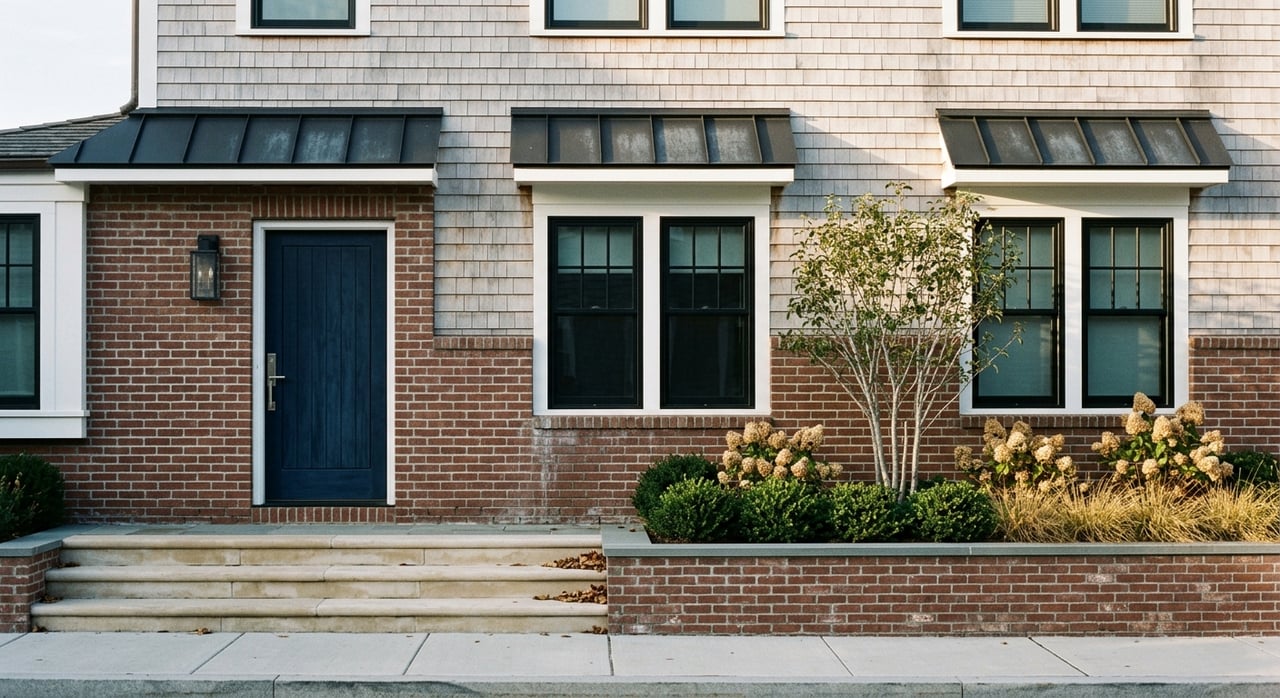
The downtown core is intended as a mixed-use district with multifamily housing on upper floors. The downtown periphery is meant to preserve a detached single-family context. Other areas identified for apartments, townhomes, and medium-density residential uses create transition zones around the center, which adds more attached housing options without making the whole borough feel uniform.
That framework matters if you are searching with a specific lifestyle in mind. If you want to walk to shops, restaurants, arts venues, or the train, your search will likely focus on condos, townhomes, and other attached homes closer to downtown and the station area. If you prefer a more traditional residential feel, you will likely look more closely at the borough’s peripheral streets.
Condos and townhomes
For buyers who want lower-maintenance living, attached housing is an important part of the Red Bank story. A recent Redfin housing market snapshot reported a median Red Bank sale price of $565K, and its condo page showed 6 condos, 2 townhouses, and 5 multifamily units for sale, with condos listed at a median price of $359K.
That does not mean inventory is always plentiful. In fact, it suggests attached options are available but still represent a smaller slice of the overall market. If a condo or townhome is your preferred fit, you may need to act with some flexibility on timing and availability.
Single-family homes near downtown
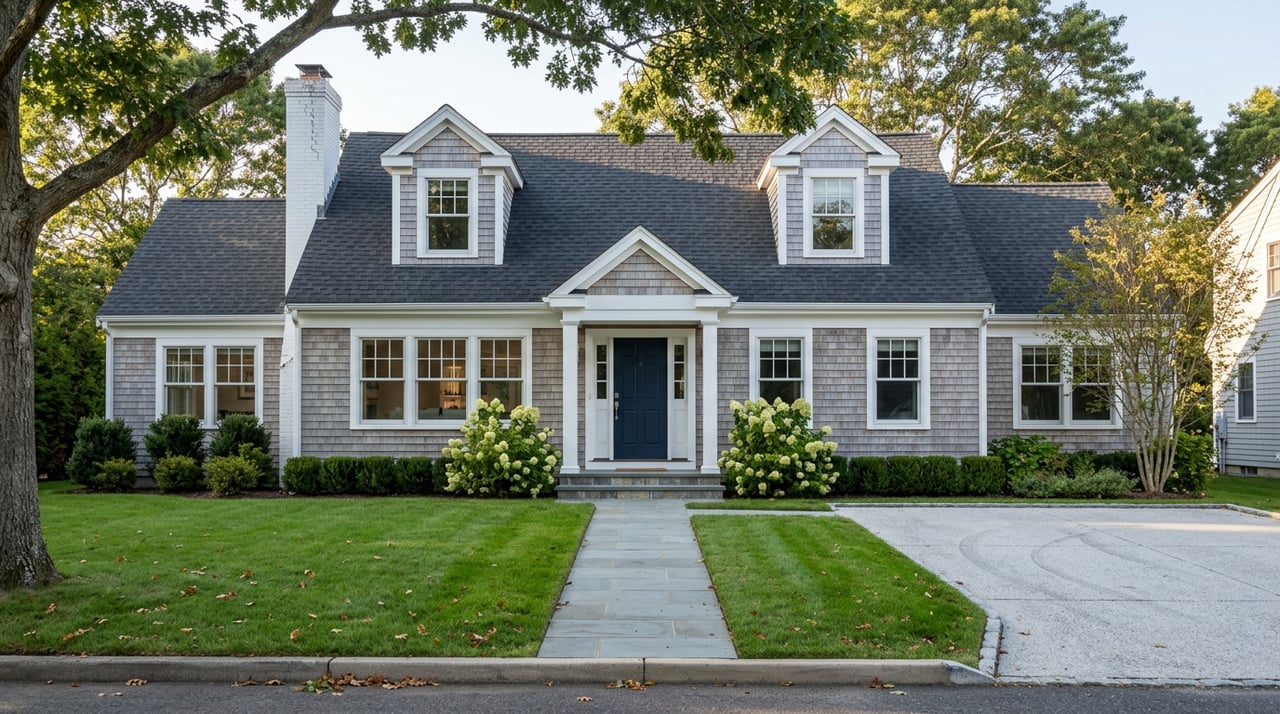
If you want to stay in Red Bank but prefer a detached-home setting, the master plan suggests the best fit may be on the borough’s periphery. These areas are intended to preserve a single-family context, which can appeal to buyers who want easier access to downtown without living in the center of it.
This can be a smart middle ground. You may still benefit from Red Bank’s arts, dining, parks, and transit access while enjoying a more traditional residential setting than the blocks closest to the commercial core.
Transit-oriented living
The station area is another key piece of the picture. The borough’s master plan identifies it as a Transit Village focus for higher-density development, which supports a more car-light lifestyle near the rail line.
For some buyers, that is a major advantage. If your daily routine includes commuting, regional travel, or simply wanting to rely less on a car, the station area can be one of the most practical places to focus your search.
Who Red Bank May Fit Best
Red Bank tends to appeal to buyers who want more activity and variety in their day-to-day environment. Based on its downtown programming, arts scene, riverfront amenities, and housing composition, it is well suited to people who value walkability, dining, evening activity, and a town center with transit access.
That can include first-time buyers looking at condos, downsizers who want convenience, relocation buyers who want an active downtown, and second-home buyers who prefer a lively, low-maintenance setup over a larger property. It can also appeal to buyers who like the idea of being able to enjoy parks, events, and restaurants without making every outing a drive.
How Red Bank Compares Nearby
If you are choosing between Red Bank and nearby Monmouth County towns, the contrast is helpful. Census data shows owner-occupied rates of 89.8% in Fair Haven, 95.7% in Little Silver, 92.9% in Rumson, and 85.7% in Middletown, compared with 50.1% in Red Bank, based on U.S. Census QuickFacts comparisons. Those nearby towns also have higher shares of residents under 18 than Red Bank’s 19.2%.
Taken together, that supports a simple takeaway. Red Bank is more of an urban-suburban option within Monmouth County, while nearby towns often align more closely with buyers seeking larger detached homes, more yard space, and quieter residential streets. Neither choice is better across the board. The right fit depends on how you want to live.
Questions to Ask Before You Buy
Before you focus your search, it helps to be honest about your priorities. Red Bank can be a great fit, but only if its lifestyle lines up with what matters most to you.
Ask yourself:
- Do you want to walk to restaurants, shops, events, or the waterfront?
- Would a condo or townhome work for your space and maintenance needs?
- Is rail access or a more car-light lifestyle important to you?
- Would you rather live in the center of activity or on a quieter peripheral street?
- Are you comparing Red Bank with nearby towns that offer a more traditional suburban setting?
These questions can narrow your search quickly and help you avoid looking at homes that do not match how you actually want to live.
Finding the Right Fit in Red Bank
The best Red Bank housing choice usually comes down to how you balance convenience, housing type, and day-to-day pace. Some buyers want to be close to Broad Street, arts venues, and restaurants. Others want a detached home feel while still staying near the energy of downtown.
If you are weighing Red Bank against other Monmouth County towns, a local perspective can save you time. Thomas Mallan can help you compare neighborhoods, understand the local housing mix, and find the property that fits your lifestyle goals with clarity and confidence.
FAQs
What is downtown Red Bank known for?
- Downtown Red Bank is known for its historic character, walkable shopping and dining, arts venues, riverfront parks, and event programming supported by RiverCenter.
What types of homes are available in Red Bank?
- Red Bank offers a mix of condos, townhomes, multifamily housing, and detached single-family homes, with more attached options near downtown and the station area.
Is Red Bank a good fit for buyers who want walkability?
- Yes. Red Bank is one of the stronger walkable lifestyle options in Monmouth County because of its downtown core, BroadWalk, arts venues, parks, and transit access.
How does Red Bank compare with Rumson or Little Silver?
- Red Bank generally offers a more active urban-suburban downtown environment, while Rumson and Little Silver tend to align more with buyers seeking higher owner-occupancy, larger detached homes, and quieter residential settings.
Are condos common in downtown Red Bank?
- Condos are part of the local housing mix, especially near downtown, but current market snapshots suggest they are still a smaller share of total inventory.
What is the Red Bank station area intended for?
- Red Bank’s master plan identifies the station area as a Transit Village focus for higher-density development, supporting more transit-oriented and car-light living options.