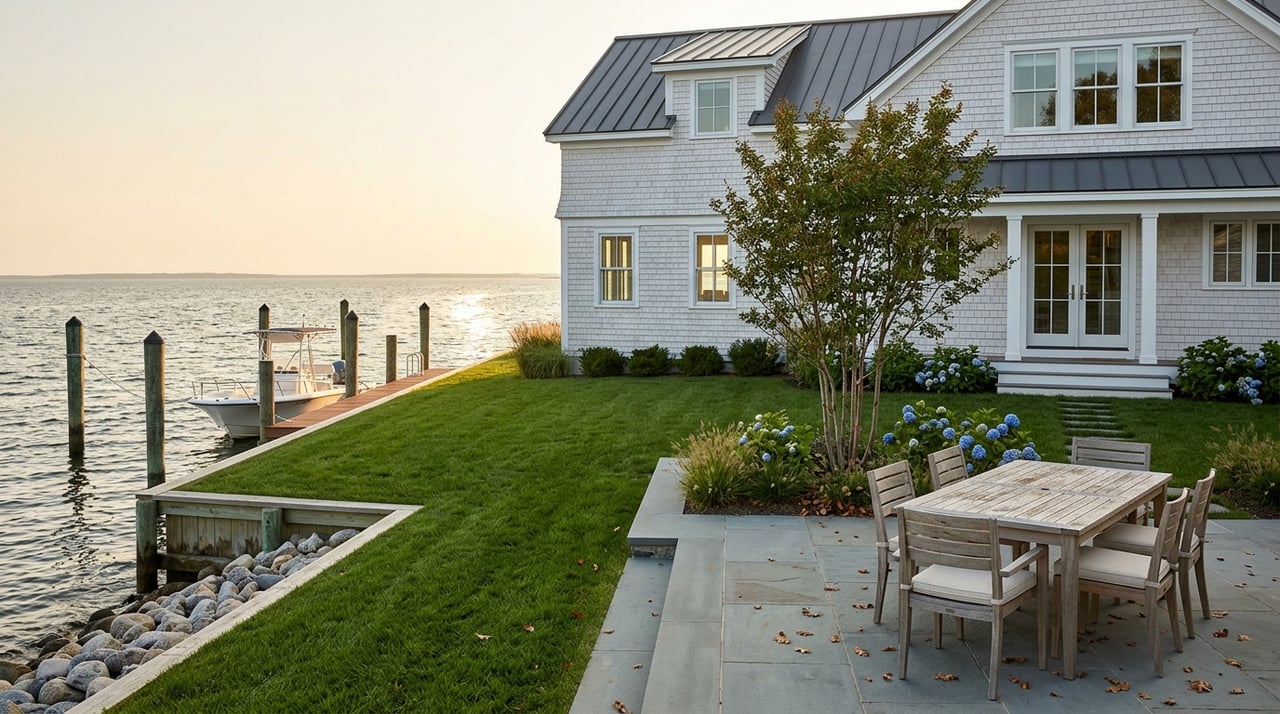
Dreaming about a place at the Jersey Shore that is truly your own? Buying a second home in Sea Bright can offer the beach-town lifestyle many buyers want, but it also comes with important questions about flood risk, insurance, financing, and rental rules. If you want a smart, clear path forward, it helps to understand how this market works before you make an offer. Let’s dive in.
Why Sea Bright Appeals to Second-Home Buyers
Sea Bright offers a very specific kind of coastal ownership experience. Because it sits on a barrier peninsula in northeastern Monmouth County, buying here means you are buying into a shore lifestyle with direct exposure to the realities of coastal ownership.
That location is a big part of the appeal. The borough has seven free public beach access ways and a municipal beach with seasonal amenities, which gives owners and guests multiple ways to enjoy the shoreline without relying on private club access alone.
Sea Bright also feels different depending on the season. The borough’s beach operations run from Memorial Day through Labor Day, so summer energy and off-season quiet can feel like two distinct versions of town. For many weekend buyers, that contrast is exactly what makes a second home here so attractive.
Understand the Flood Risk First
In Sea Bright, flood exposure is not a small detail. A 2025 New Jersey state planning report says 84% of the borough’s developed area is in AE, AO, or VE flood zones.
The borough also states that the community is prone to repetitive flooding and provides local flood information and FEMA mapping resources. If you are comparing homes, flood-zone location and base flood elevation should be part of your review from day one.
This matters beyond closing. If you plan to renovate, elevate, expand, or make major repairs, Sea Bright’s floodplain code includes permit requirements, substantial-improvement review, coastal high-hazard-area standards, and local design flood elevation rules that can affect cost and timing.
Plan for Insurance Costs
Many second-home buyers assume a standard homeowners policy covers everything. It does not. According to FEMA, homeowners insurance typically does not cover flood damage, which means flood insurance is generally a separate policy.
For homes in a Special Flood Hazard Area with a federally regulated or insured loan, flood insurance is typically required when the loan is federally backed. That can directly affect your monthly ownership cost, so it is worth reviewing early in the buying process.
For a furnished shore property, coverage details matter. FloodSmart guidance notes that building and contents coverage are typically purchased separately, which is especially important if you are furnishing a beach condo or single-family home with the expectation of seasonal use.
Condo or Single-Family in Sea Bright?
Your property type can shape everything from upkeep to rental flexibility. In Sea Bright, that choice is especially important.
Condo Ownership Basics
A condo can be appealing if you want a lower-maintenance second home. But if you may want rental income in the future, you need to look closely at the governing documents, not just the listing photos.
Sea Bright allows short-term rentals in condominium units only when the condo bylaws and master deed do not prohibit them, and an association approval letter must be included with the permit application under the borough’s short-term rental rules. In practical terms, that means the condo association can heavily influence your future use options.
Single-Family Ownership Basics
Sea Bright also allows short-term rentals in single-family residences under its local rules. These homes often give you more direct control over renovations, occupancy, and the overall guest experience if you ever rent the property.
That said, more control usually means more responsibility. Sea Bright’s local planning and mitigation materials point to ongoing concerns such as seawalls, bulkheads, and home elevations, so single-family buyers should go in expecting a more hands-on ownership experience.
Know the Short-Term Rental Rules
If you want a second home that can also produce seasonal income, you need to understand the borough’s rules before you buy. In Sea Bright, a short-term rental is defined as occupancy of 90 days or less, with a minimum stay of seven consecutive days under the borough’s rental ordinance.
Owners must obtain an annual permit, pay a $500 registration fee, secure a rental certificate of occupancy, and renew before advertising or renting. Just as important, the permit does not transfer to a new owner at closing.
Sea Bright also requires the permit number in advertisements. The rules include operational standards like vehicle limits, a responsible party available 24/7, and a requirement to respond to complaints within two hours.
That last point is easy to overlook, but it matters. In Sea Bright, short-term rental ownership is not passive. Repeated violations can lead to permit revocation, so you should treat rental compliance as part of your ownership plan from the start.
Budget for Taxes and Liability Coverage
Rental income can help offset carrying costs, but it comes with added expenses. Sea Bright imposes a 3% municipal short-term rental tax on certain rentals under the borough code.
At the state level, New Jersey generally requires registration and collection of sales tax and the state occupancy fee for certain transient accommodations obtained through a marketplace or professionally managed unit. The borough ordinance also outlines specific exclusions, including some rentals handled by a licensed real estate broker with off-site key handoff and no common hotel-style services.
Insurance is another line item to price in early. For short-term rentals, Sea Bright generally requires proof of liability insurance with a minimum of $500,000, or $300,000 in certain owner-occupied small multifamily cases. If you expect rent to support the home financially, these carrying costs should be part of your math before you make an offer.
How Second-Home Financing Works
Financing a second home is different from financing your primary residence. Lenders and the agencies behind many conventional loans look closely at how the property will be used.
Fannie Mae defines a second home as a one-unit property that you occupy for part of the year, that is suitable for year-round use, remains under your exclusive control, and is not a rental property or timeshare. Rental income may still exist, but it cannot be used to qualify the loan as a second home.
That distinction is especially important in Sea Bright. If a property is tied to a management arrangement that gives another party control over occupancy, it may not fit second-home guidelines.
Down payment expectations are also different. Freddie Mac’s conforming guidelines cap second-home purchase loans at 90% loan-to-value, which means eligible standard purchase loans generally require at least 10% down.
You may also need more reserves than expected. Fannie Mae’s reserve requirements increase for borrowers who already own financed properties, which is a common scenario for second-home buyers. This is one of the biggest surprises for many shore purchasers.
It is also worth noting what usually does not apply. Low-down-payment options like Fannie Mae’s 97% LTV products and HomeReady are for principal residences, not second homes.
Prepare for Off-Season Ownership
A Sea Bright second home is not just a summer purchase. It is a year-round ownership decision, even if you only use it seasonally.
Because the town’s beach operations are seasonal and the flood profile is meaningful, off-season planning matters. Winterization, storm checks, routine inspections, and keeping an eye on the property during long vacancy periods are all part of owning at the shore.
If you plan to leave the home empty for stretches of time, local oversight can be very useful. Sea Bright’s rental rules already assume a responsive local contact, and even non-rental owners often benefit from having someone keep tabs on the property during storms or off-season weather events.
A Smart Buying Checklist for Sea Bright
Before you move forward, focus on the questions that matter most in this market:
- What flood zone is the property in?
- What is the base flood elevation, and how could that affect insurance?
- If you plan to renovate, what local floodplain rules could apply?
- If it is a condo, do the bylaws and master deed allow short-term rentals?
- If you want rental flexibility, what permits, taxes, insurance, and operating rules will apply?
- Does your financing structure truly fit second-home guidelines?
- Are you prepared for off-season upkeep and storm-related oversight?
A second home in Sea Bright can be a great fit if you buy with clear expectations. The key is balancing the lifestyle upside with the practical realities of coastal ownership.
If you are considering buying a second home in Sea Bright, working with a local advisor can help you compare property types, think through use goals, and spot issues early. When you are ready to talk through your options along the Jersey Shore, connect with Thomas Mallan for thoughtful, local guidance.
FAQs
What makes Sea Bright different for second-home buyers?
- Sea Bright is a barrier-peninsula beach town with strong seasonal appeal, but it also has meaningful flood exposure, seasonal operations, and local rental rules that can affect ownership costs and use.
What should Sea Bright buyers know about flood insurance?
- Flood damage is generally not covered by standard homeowners insurance, and separate flood coverage may be required for certain federally backed loans in Special Flood Hazard Areas.
Can you use a Sea Bright condo as a short-term rental?
- Yes, but only if the condominium bylaws and master deed do not prohibit it, and the borough requires an association approval letter as part of the permit process.
Can you finance a Sea Bright property as a second home?
- In many cases, yes, but the property must meet second-home occupancy rules, and buyers should expect stricter down payment and reserve requirements than they would for a primary residence.
What are Sea Bright’s short-term rental rules for owners?
- Sea Bright defines short-term rentals as stays of 90 days or less with a seven-day minimum, and owners must obtain an annual permit, meet insurance requirements, and follow local operating rules before advertising or renting.
What should you budget for beyond the purchase price in Sea Bright?
- Buyers should plan for homeowners insurance, separate flood insurance, possible rental compliance costs, liability coverage, taxes tied to short-term rentals, and ongoing off-season property oversight.